California Code-Compliant Water Heater Installation Guide
California Code-Compliant Water Heater Installation Guide
California Code-Compliant Water Heater Installation
A California code-compliant water heater installation is one that meets the safety, performance, and durability standards established by state and local plumbing, mechanical, and building requirements. These standards exist to protect occupants from hazards such as gas leaks, carbon monoxide exposure, excessive water pressure, seismic damage, and water intrusion. A properly installed water heater is not just about heating water efficiently, but about integrating the appliance safely into the home’s overall plumbing and mechanical systems.
California has some of the most stringent installation requirements in the country due to seismic activity, energy efficiency standards, and diverse housing conditions. As a result, installations that may appear functional can still be non-compliant if critical safety components are missing, improperly installed, or outdated. Compliance ensures the water heater operates safely, lasts longer, and passes inspection when required for permits, home sales, or insurance purposes.
A code-compliant installation considers the full system, including water supply, pressure control, venting, combustion air, drainage, gas supply, electrical connections, and physical support. Each component must work together correctly to ensure reliable and safe operation over the life of the water heater.
Core Safety Components Required for Compliance
One of the most important elements of a compliant installation is proper seismic restraint. In California, water heaters must be secured to resist movement during earthquakes. This typically involves approved strapping at both the upper and lower portions of the tank to prevent tipping or rupture. Improper or missing strapping is one of the most common installation violations and poses a serious risk during seismic events.
Pressure control is another critical requirement. Homes with regulated or closed plumbing systems must be equipped with proper pressure management components such as pressure regulators and expansion tanks when applicable. Without these protections, thermal expansion can cause excessive pressure, leading to leaks, relief valve discharge, or premature tank failure. A compliant installation ensures pressure is controlled both at the point of entry and within the system.
Additional required safety components often include a functional temperature and pressure relief valve, correctly piped discharge lines, properly installed shut-off valves, and approved supply connections. These elements are designed to prevent catastrophic failures and allow the system to be safely serviced when needed.
Venting, Combustion, and Airflow Considerations
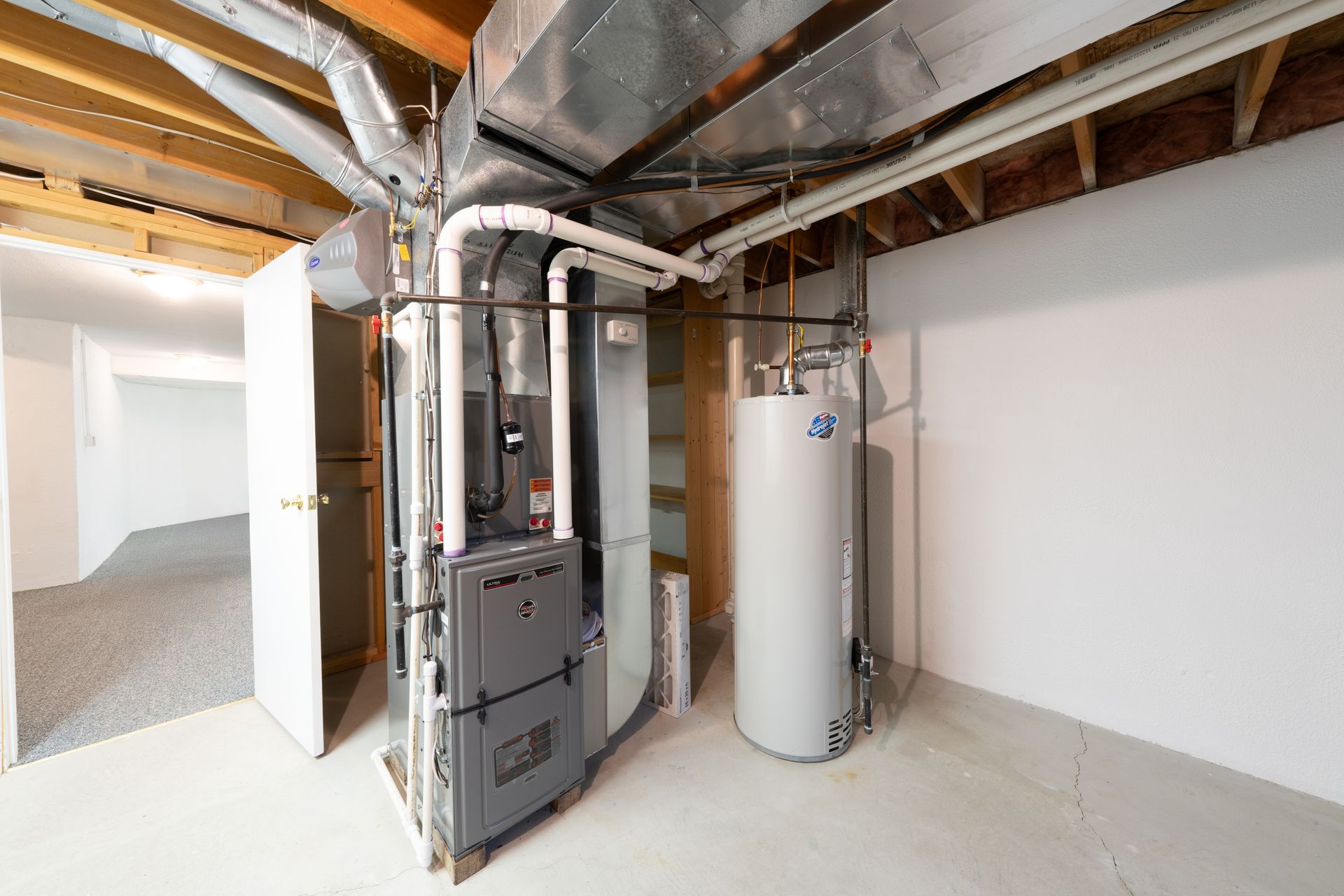
For gas-fired water heaters, proper venting is a cornerstone of code compliance. Exhaust gases must be safely directed outdoors using approved materials, proper slope, and adequate clearances from combustible surfaces. Incorrect venting can lead to back-drafting, corrosion, and dangerous indoor air contamination.
Adequate combustion air is equally important. Water heaters installed in closets, garages, or confined spaces must have sufficient airflow to support safe combustion. Lack of combustion air can cause inefficient operation, soot buildup, and carbon monoxide production. A compliant installation evaluates the space, airflow pathways, and appliance requirements to ensure safe operation.
California installations must also consider location-specific factors such as garage installations, where ignition sources must be elevated and protected from vehicle impact. These details are often overlooked but play a major role in meeting safety standards and passing inspections.
Drainage, Protection, and Location Requirements
Water heaters installed in areas where leakage could cause damage must be protected with drain pans and properly routed drain lines. This includes installations in attics, interior closets, and upper floors. The drain pan does not prevent leaks but provides a controlled path for water to exit, reducing the risk of structural damage and mold growth.
Proper clearance around the water heater is also required for servicing, airflow, and safety. Crowded installations may function temporarily but create long-term maintenance issues and inspection failures. Code-compliant installations account for access to controls, valves, and serviceable components.
In many California homes, especially manufactured and mobile homes, additional requirements apply regarding approved equipment, anchoring, and venting systems. A compliant installation must account for the specific structure type and manufacturer requirements to ensure safety and legality.
Why Code Compliance Matters Long-Term
A water heater installed without regard for California code requirements may still produce hot water, but it exposes homeowners to unnecessary risk. Non-compliant installations are more likely to experience leaks, pressure failures, combustion issues, and shortened equipment lifespan. They can also create problems during home sales, insurance claims, or warranty evaluations.
Code compliance also protects homeowners financially. Many manufacturers require proper installation for warranty coverage, and insurance companies may deny claims related to improper or unpermitted work. A compliant installation provides documentation, peace of mind, and long-term reliability.
Ultimately, a California code-compliant water heater installation is an investment in safety, durability, and system performance. It ensures the water heater operates as intended while protecting the home and its occupants from preventable hazards. When questions arise about compliance, upgrades, or installation requirements, consulting a qualified professional ensures the work is done correctly and to current standards.