Menifee Resident's Guide to Water Heater Services
Team Rodgers Air Conditioning and Plumbing • February 5, 2026

Menifee Resident's Guide to Water Heater Services

Your water heater works behind the scenes every day, providing hot water for showers, dishes, laundry, and cleaning. When it stops working properly, you notice immediately. Understanding what water heater services involve helps you make smart decisions about maintenance, repairs, and replacements that keep your home running smoothly without unnecessary expense.

When do you need water heater service?

Several warning signs tell you when your water heater needs professional attention. If you're running out of hot water faster than usual, something's wrong with your system's heating capacity. Strange noises like rumbling, popping, or banging come from sediment buildup at the bottom of the tank—these sounds mean your heater is working harder than it should. Rusty or discolored water flowing from your hot water taps suggests corrosion inside the tank. Water pooling around the base of your heater indicates leaks that won't fix themselves. High energy bills without increased usage show your system is losing efficiency.

Age matters too. Most tank water heaters last 8-12 years with proper maintenance. If yours is approaching or past this range, professional inspection can tell you whether repair or replacement makes better financial sense. Regular water heater services in Menifee catch small problems before they become expensive emergencies.

What does water heater maintenance include?

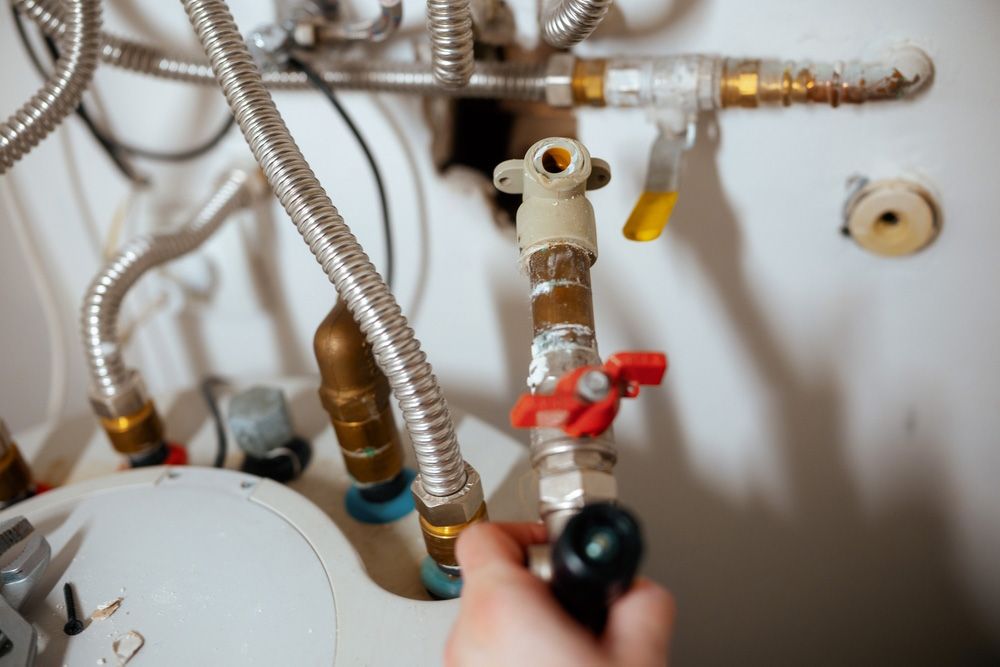
Professional maintenance extends your water heater's lifespan and prevents unexpected breakdowns. During a maintenance visit, the technician drains and flushes the tank to remove sediment that builds up over time. This sediment reduces heating efficiency and causes the rumbling sounds many homeowners hear. They inspect and test the pressure relief valve, which is a critical safety component that prevents dangerous pressure buildup. The anode rod—a sacrificial component that protects your tank from corrosion—gets checked and replaced if necessary.

Other maintenance tasks include checking the thermostat settings, inspecting all connections for leaks, testing the heating elements or burner assembly, examining the venting system for proper operation, and verifying that electrical connections are secure. Annual maintenance typically costs far less than emergency repairs and helps your system run more efficiently, saving money on utility bills.

How do you choose between repair and replacement?

This decision depends on several factors working together. Consider your water heater's age first—if it's over 10 years old and needs expensive repairs, replacement often makes more financial sense. Compare the repair cost to the replacement cost. As a general rule, if repairs exceed 50% of what a new unit would cost, replacement is usually smarter. Think about efficiency too. Newer water heaters use significantly less energy than older models, and the savings on utility bills can offset the replacement cost over time.

Factor in your hot water needs as well. If your family has grown or your water usage patterns have changed, this might be the right time to upgrade to a larger or more efficient model. Professional plumbing installations in Menifee ensure your new system is sized correctly for your household needs. A qualified technician can run the numbers with you, showing exactly how long it would take for a new, efficient unit to pay for itself through energy savings.

Common water heater systems in the Menifee area

Menifee homes typically have one of two main water heater types. Traditional tank water heaters store 40-80 gallons of hot water and are the most common type in the area. They're reliable, relatively affordable, and straightforward to service. Most local plumbers stock parts for these systems, making repairs quick when needed. Tank heaters work well for families with predictable hot water usage patterns.

Tankless water heaters are becoming more popular in Menifee, especially in newer construction and major home renovations. These systems heat water on demand instead of storing it, providing endless hot water while using less energy. They cost more upfront but save space and typically last longer than tank systems. They work especially well in Menifee's climate because the incoming water temperature stays relatively moderate year-round, making the heating process more efficient.

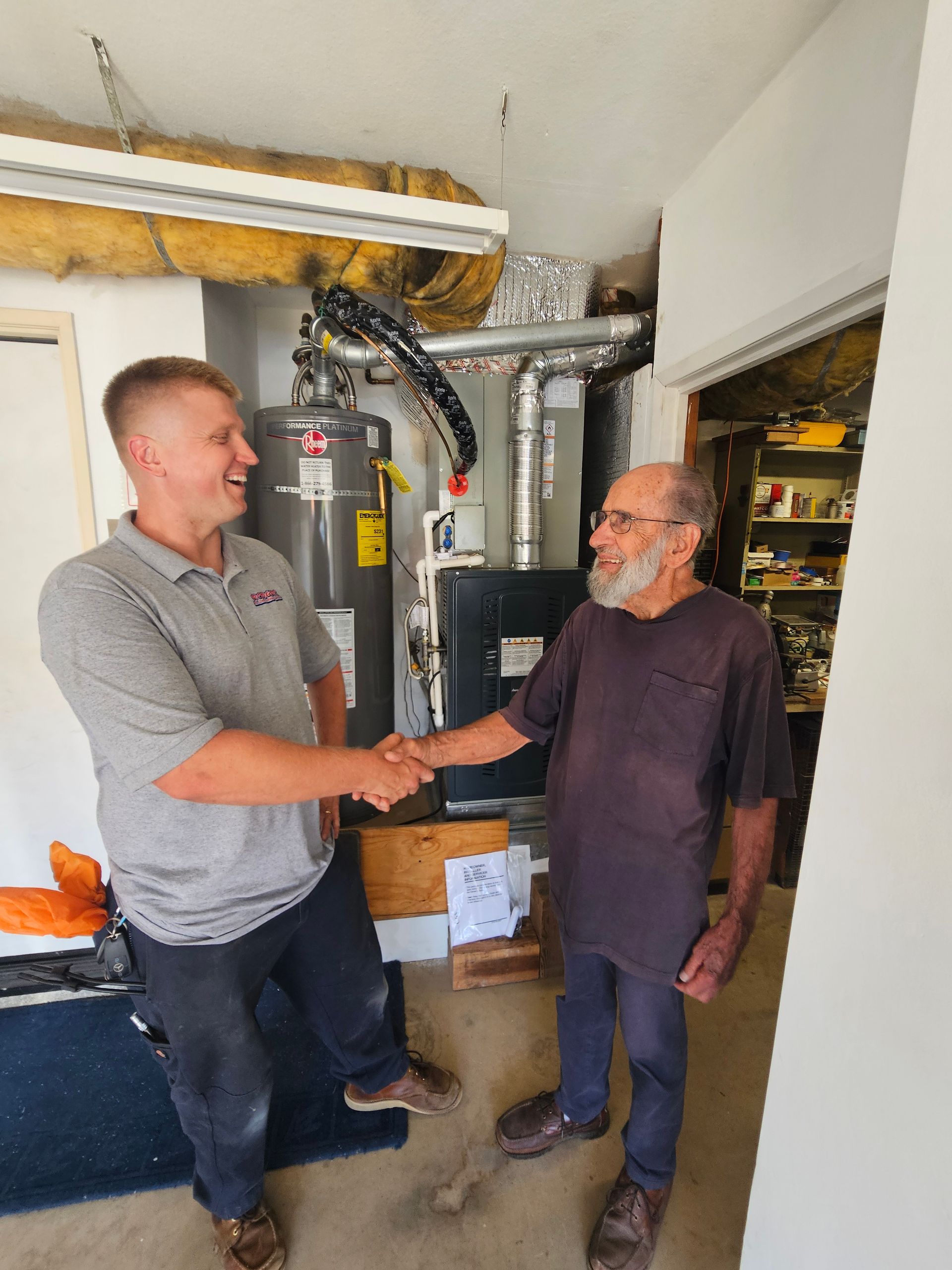
Rodgers Air Conditioning and Plumbing has served Menifee residents for over 10 years, providing expert water heater service for both tank and tankless systems. We understand which systems work best in local homes and how to maintain them for maximum lifespan. Call (951) 467-5096 to schedule your water heater service or discuss whether repair or replacement is right for your situation.
By Team Rodgers Air Conditioning and Plumbing February 19, 2026
Expert plumber guidance for Murrieta residents. Learn how to choose the right professional and what to expect from quality service.
By Team Rodgers Air Conditioning and Plumbing February 5, 2026
Find reliable AC repair in Temecula. Local insights and tips to help Temecula homeowners make informed decisions about AC service.
By Team Rodgers Air Conditioning and Plumbing February 5, 2026
Expert HVAC guidance for Winchester residents. Learn how to choose the right technician and what to expect from quality service.
By Rodgers Air Conditioning and Plumbing January 28, 2026
Expert AC repair in Winchester, CA includes diagnostics, refrigerant leak detection, and component repairs to restore your cooling system efficiently.
By Rodgers Air Conditioning and Plumbing January 21, 2026
Professional AC installation in Menifee, CA ensures proper system sizing, energy-efficient equipment selection, and expert setup for residential and commercial properties.
Diagram of water meter for residential home with notations labeled to assist in detecting leaks
By Gary Rodgers January 20, 2026
Learn the early warning signs of hidden plumbing leaks before they become costly slab leaks. Local guidance for French Valley and Dutch Village homeowners.
By Gary Rodgers January 15, 2026
Why is my AC blowing warm air?
By Gary Rodgers January 15, 2026
 One of the most common questions homeowners ask is how often should I change my air filter. It seems like a small detail, but this simple maintenance task plays a huge role in your home’s comfort, air quality, and energy costs. Your air filter acts like a gatekeeper. It traps dust, pet hair, pollen, and other airborne particles before they circulate through your home. When that gatekeeper gets clogged, your HVAC system has to work harder, and your indoor air quality can suffer. In this guide, we’ll explain how often to change your air filter, how to tell when it’s dirty, and why staying on schedule can save you money and prevent bigger HVAC problems. Why Air Filter Changes Matter More Than You Think Many homeowners don’t realize how much their HVAC system depends on clean airflow. A dirty filter doesn’t just affect air quality, it affects the entire system. When an air filter becomes clogged: Airflow is restricted Your system runs longer to heat or cool your home Energy bills increase Components wear out faster Over time, neglecting air filter changes can even lead to system breakdowns. General Rule: How Often Should You Change Your Air Filter? For most homes, a good rule of thumb is: Every 1 month for basic fiberglass filters Every 2–3 months for pleated filters Every 6 months for high-end or specialty filters (only if manufacturer allows) That said, your actual schedule depends on how your home is used. Factors That Affect How Often You Should Change Your Air Filter Pets in the Home Allergies or Respiratory Sensitivities Homes with allergy sufferers benefit from cleaner air. A clogged filter allows more particles to circulate. Recommended schedule: Every 1–2 months Number of Occupants More people means more dust, skin cells, and airborne particles. Recommended schedule: Every 1–2 months for larger households New Construction or Renovations Dust from drywall, flooring, and paint can clog filters quickly. Recommended schedule : Monthly during and after construction System Usage Homes that run heating or cooling year-round will need more frequent changes than seasonal-use systems. Signs Your Air Filter Needs to Be Changed If you’re unsure when you last replaced your filter, your home will usually give you clues. Watch for: Dust buildup around vents Weak airflow from registers Rooms that feel stuffy Increased allergy symptoms Rising energy bills The filter looks gray or clogged when checked If you can’t see light through the filter when holding it up, it’s time to replace it. How to Change Your Air Filter (Homeowner-Friendly Steps) Changing an air filter is one of the easiest HVAC tasks homeowners can handle. Turn off the system Locate the filter slot (usually near a return vent or furnace) Slide the old filter out Insert the new filter in the correct airflow direction Turn the system back on Most filters have arrows showing airflow direction. Always follow them. Choosing the Right Air Filter Not all filters are created equal. Filters are rated using a MERV scale, which measures how well they trap particles. MERV 1–4: Basic protection MERV 5–8: Good for most homes MERV 9–12: Better for allergies but not always recommended depending on return duct sizing. MERV 13+: Hospital-grade, not recommended for all systems Using a filter that’s too restrictive can reduce airflow and strain your system. Pro tip: When in doubt, ask a professional which filter your system can handle safely. Can a Dirty Air Filter Damage Your AC? Yes, absolutely. A clogged filter can cause: Frozen evaporator coils Overheated blower motors Short cycling Premature system failure These issues often lead homeowners to search for bigger problems when the real cause is a simple, inexpensive filter. Cost Benefits of Changing Your Air Filter Regularly Air filters are inexpensive compared to HVAC repairs. Typical costs: Filters: low cost Frozen coil repair: moderate Blower motor replacement: high Compressor failure: very high Spending a few dollars every month can prevent repairs that cost hundreds or thousands. When to Call a Professional While filter changes are DIY-friendly, call a professional if: Filters clog unusually fast Airflow remains weak after replacement Rooms cool or heat unevenly The system shuts off unexpectedly These may indicate duct, blower, or system sizing issues. Preventative Maintenance Tip for Homeowners Set a reminder on your phone or write the install date on the filter frame. Some smart thermostats even send filter change alerts. Consistency beats guesswork every time. Conclusion: A Simple Habit With Big Payoff If you’ve ever wondered how often should I change my air filter , the answer is simple: often enough to keep air moving freely and cleanly through your home. Regular filter changes improve comfort, lower energy bills, protect your HVAC system, and support healthier indoor air. It’s one of the easiest ways to take care of your home. If you’re unsure which filter is right for your system or notice ongoing airflow issues, contact a trusted HVAC professional for guidance and maintenance support.
By Rodgers Air Conditioning and Plumbing January 14, 2026
Regular AC maintenance in Temecula, CA extends unit lifespan, improves efficiency, and prevents costly breakdowns through thorough inspections and system tune-ups.
By Gary Rodgers January 13, 2026
Extend the Lifespan of Your Water Heater With Maintenance in Hemet, CA