Water Heater Anode Rods
Water Heater Anode Rods
Water Heater Anode Rods
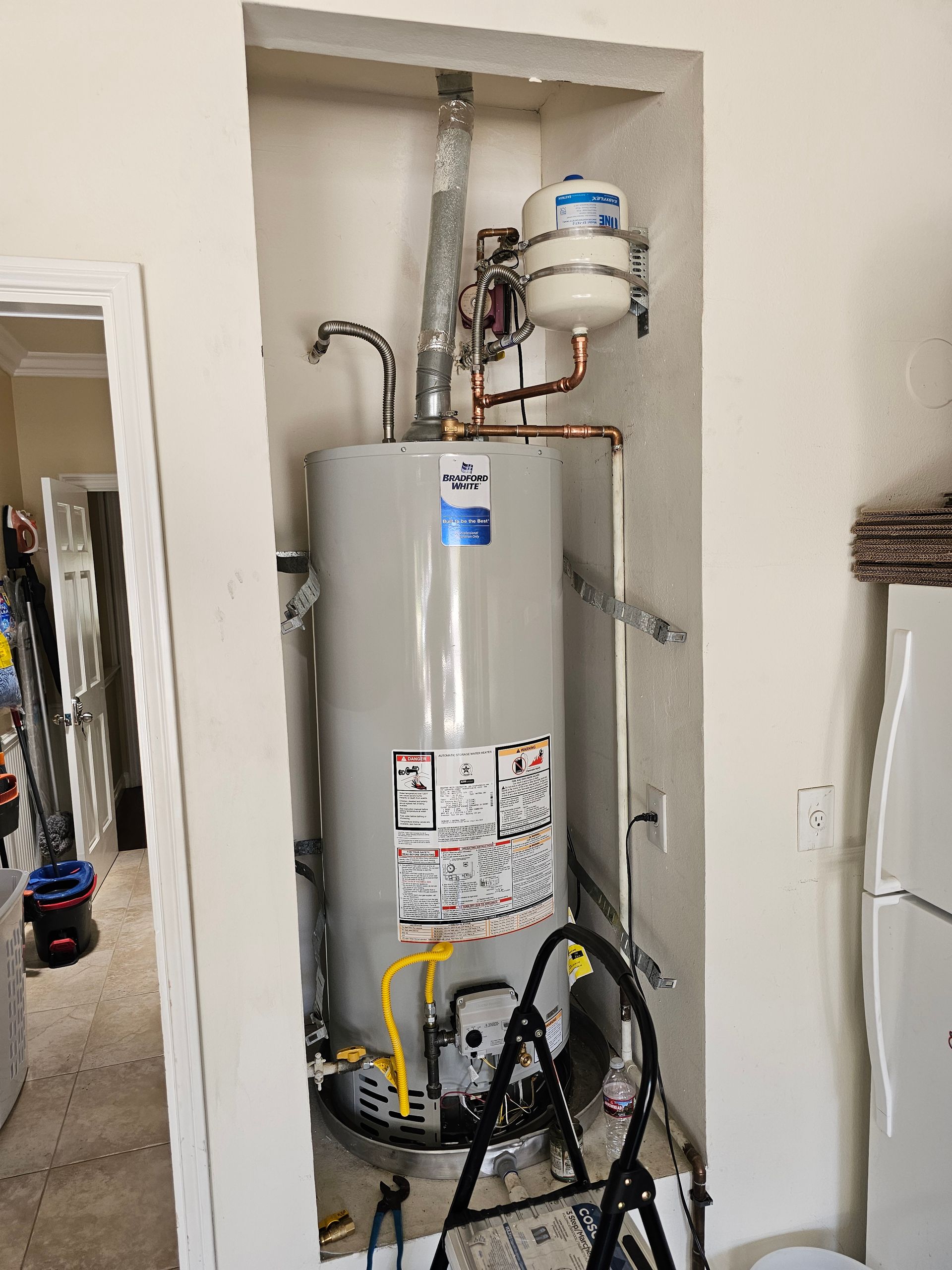
An anode rod is a metal rod installed inside a water heater tank that helps protect the tank from corrosion. It is typically made of magnesium, aluminum, or a combination of metals and is inserted through the top of the water heater into the water-filled tank. Although it is not visible during normal operation, the anode rod is one of the most important components in determining how long a water heater will last.
Water naturally causes corrosion when it comes into contact with steel. Since most water heater tanks are made of steel, they are constantly exposed to this corrosive environment. The anode rod works by attracting corrosive elements in the water to itself instead of allowing them to attack the steel tank. This process, known as sacrificial corrosion, allows the anode rod to slowly deteriorate over time while preserving the integrity of the tank.
Without a functioning anode rod, corrosion would attack the water heater tank directly, significantly shortening its lifespan. Many water heater failures that appear sudden are actually the result of long-term anode depletion that went unnoticed. Replacing an anode rod at the right time can extend the life of a water heater by several years.
Why Anode Rods Are Critical to Water Heater Longevity
Anode rods are designed to sacrifice themselves so the tank does not have to. As minerals, oxygen, and other corrosive elements in the water react with the rod, the metal gradually breaks down. This is normal and expected behavior. However, once the rod is heavily deteriorated or completely consumed, it can no longer protect the tank.
When an anode rod is depleted, corrosion begins attacking the tank walls, often from the inside where damage is not visible. This can lead to leaks, tank rupture, or sudden failure with little warning. Hard water, softened water, and high water temperatures can accelerate anode rod consumption, making inspection and maintenance especially important in certain homes.
Different anode materials serve different purposes. Magnesium anode rods provide strong corrosion protection but tend to deplete faster. Aluminum anode rods last longer but may be less effective in certain water conditions. Combination or powered anode rods are sometimes used in specific applications to address odor issues or extend service life. Choosing the correct type depends on water chemistry and system design.
Inspection, Replacement, and Common Issues
Anode rods should be inspected periodically, typically every two to three years, depending on water quality and usage. Inspection involves partially draining the water heater and removing the rod from the top of the tank, which can require specialized tools and clearance above the unit. If the rod is heavily corroded, less than half its original diameter, or coated in calcium, it should be replaced.
One common symptom associated with anode rod issues is a sulfur or “rotten egg” smell in hot water. This can occur when certain bacteria interact with the rod material, particularly magnesium. In these cases, switching to a different anode type or installing a powered anode rod may resolve the issue without compromising tank protection.
Safety and proper procedure are important when working with anode rods. The water heater should be turned off and pressure relieved before removal. Overtightening or improper sealing during reinstallation can cause leaks. Because access can be difficult and the rod may be seized in place, many homeowners choose to have a professional handle inspection and replacement. Regular anode maintenance is one of the most effective ways to protect a water heater investment and avoid premature tank failure.