How to Tell If You Have a Hidden Plumbing Leak (Before It Becomes a Slab Leak)
Gary Rodgers • January 20, 2026

How to Tell If You Have a Hidden Plumbing Leak (Before It Becomes a Slab Leak)

Hidden plumbing leaks are the quiet kind of problem. No dramatic spray. No obvious puddle. Just a slow, patient drip that waits until the damage bill is large enough to get your attention. In French Valley and Dutch Village, where many homes sit on concrete slabs and experience higher municipal water pressure, these leaks often show up late and are can be expensive due to the damage they cause.

The good news: most slab leaks give off early warning signals. You just need to know how to read them.

What Is a Hidden Plumbing Leak?

A hidden plumbing leak is any leak occurring inside walls, under floors, or beneath the concrete slab where your water lines run. Because you can’t see the pipe, the leak works behind the scenes, soaking soil, weakening foundations, and stressing your plumbing system long before homeowners realize what’s happening.

In slab-on-grade homes common throughout French Valley and Dutch Village, these leaks often turn into slab leaks if ignored.

Early Warning Signs Homeowners Commonly Miss

1. Your Water Bill Creeps Up for No Reason

If your usage habits haven’t changed but your bill has, water is going somewhere. This is often the first measurable sign of a hidden leak.

2. Warm or Damp Spots on Floors

Hot water lines under a slab leak upward. If you feel a warm patch on tile or notice laminate starting to warp, that’s not coincidence.

3. Bubbling Tile, Cracked Grout, or Flooring Separation

Moisture trapped under flooring behaves like pressure behind a dam. It lifts, shifts, and cracks surfaces over time.

4. Water Heater Relief Valve Dripping

This one gets misdiagnosed constantly. A leaking temperature and pressure relief valve is often blamed on the water heater, but in many cases the real cause is excessive system pressure. This ties directly into the issues discussed in our article on home water pressure and pressure regulators.


5. Moldy or “Earthy” Smells with No Visible Water

Moisture trapped in walls or under slabs creates odor before visible damage appears. If a room smells damp without explanation, trust your nose.

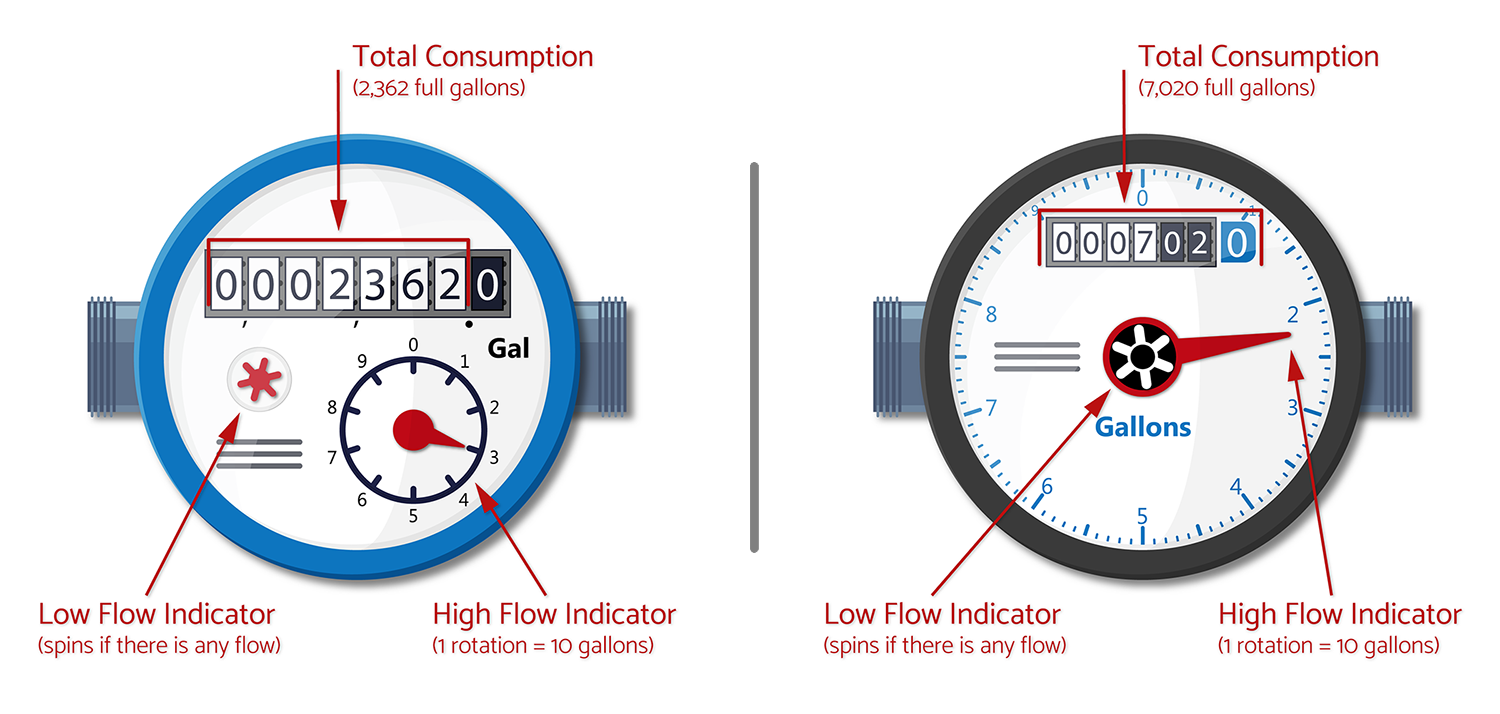
How to Check for a Hidden Leak Using Your Water Meter

This is a simple test any homeowner in French Valley or Dutch Village can perform.

  1. Turn off all water inside and outside the home
  2. Locate your water meter
  3. Watch the small leak indicator (usually a triangle or star)
  4. If it moves, water is flowing somewhere it shouldn’t

This test doesn’t tell you where the leak is, but it confirms whether one exists.

Why High Water Pressure Quietly Causes Slab Leaks

Many homes in Riverside County experience incoming pressure well above safe residential limits. Over time, excessive pressure:

  • Weakens copper and PEX connections
  • Stresses underground joints
  • Causes micro-fractures in pipes beneath slabs

This is why slab leaks are frequently caused by missing or failing pressure-reducing valves.


The Expansion Tank Connection Most Homeowners Miss

When water heats, it expands. In a closed plumbing system without a functioning expansion tank, that pressure has nowhere to go. The result is repeated pressure spikes that attack your weakest plumbing points.

Many slab leaks trace back to missing, failed, or improperly sized expansion tanks.


When a Small Hidden Leak Becomes a Slab Leak

Leaks don’t suddenly “become” slab leaks. They evolve.

  • Month 1–3: Soil saturation begins
  • Month 3–6: Pipe erosion accelerates
  • Month 6+: Structural movement, flooring damage, and foundation stress

By the time water surfaces, the leak has usually been active far longer than homeowners realize.

When to Call a Licensed Plumber

If you notice:

  • A moving water meter with all fixtures off
  • Warm flooring or bubbling tile
  • Repeated relief valve discharge
  • A sudden unexplained spike in your water bill

…it’s time for professional leak detection. Early intervention can often reduce repair scope, and protect your slab.

Homes in French Valley and Dutch Village are especially vulnerable due to slab construction and pressure conditions, making early detection even more critical.

Protecting Your Home Before Damage Escalates

Hidden plumbing leaks are patient. They wait while damage compounds. The goal isn’t panic — it’s awareness.

Routine pressure checks, proper regulation, code-compliant water heater installations, and expansion control dramatically reduce slab leak risk.


If something feels off, trust it. Plumbing problems rarely fix themselves, but catching them early can save thousands.
By Rodgers Air Conditioning and Plumbing January 28, 2026
Expert AC repair in Winchester, CA includes diagnostics, refrigerant leak detection, and component repairs to restore your cooling system efficiently.
By Rodgers Air Conditioning and Plumbing January 21, 2026
Professional AC installation in Menifee, CA ensures proper system sizing, energy-efficient equipment selection, and expert setup for residential and commercial properties.
By Gary Rodgers January 15, 2026
If your AC is blowing warm air, it can feel like a betrayal on the hottest day of the year. You set the thermostat, you hear the system running, but instead of cool relief, warm air pours out of the vents. For most homeowners, this is confusing and frustrating, especially when the system seemed to work fine before. The good news is that this problem is common, and in many cases, the cause is simple. Sometimes it’s a quick fix you can handle yourself. Other times, it’s a sign that your air conditioner needs professional attention before the problem gets worse. In this guide, we’ll break down the most common reasons an AC blows warm air, what you can safely check at home, and when it’s time to call in a professional. Common Reasons Your AC Is Blowing Warm Air 1. The Thermostat Is Set Incorrectly This may sound obvious, but thermostat settings are one of the most common causes of warm air issues. Before assuming something is broken, check that: The thermostat is set to COOL, not HEAT The temperature is set lower than the current room temperature The fan is set to AUTO, not ON When the fan is set to ON, it can blow air even when the AC isn’t actively cooling, which may feel warm. Homeowner tip: Switch the fan setting to AUTO and wait a few minutes to see if cooler air starts flowing. Many thermostats have a delay period before the unit will start, usually this is 5 minutes. 2. Your Air Filter Is Dirty or Clogged A dirty air filter restricts airflow through your system. When airflow is limited, your AC can struggle to cool properly and may end up blowing warm or slightly cool air. Signs of a dirty filter include: Weak airflow from vents Dust buildup around registers The AC running longer than usual This is one of the easiest fixes homeowners can handle themselves. How often should I replace my air filter? 3. Your Outdoor Unit Isn’t Running Your air conditioner has two main parts: the indoor unit and the outdoor condenser. If the outdoor unit isn’t running, the system can’t remove heat from your home. Check outside and look for: A silent or non-running unit A tripped breaker Debris blocking airflow around the unit Sometimes a tripped breaker can be reset, but if it trips again, that’s a warning sign of a deeper electrical or mechanical issue. Safety note: Do not repeatedly reset breakers. This can cause damage or become a fire hazard. 4. Low Refrigerant Levels Refrigerant is the substance your AC uses to absorb heat from inside your home and release it outside. If your refrigerant level is low, your system can’t cool properly. Low refrigerant is usually caused by a leak, not normal usage. Symptoms may include: Warm air from vents Ice forming on the indoor or outdoor coils Hissing or bubbling sounds This is not a DIY repair. Handling refrigerant requires specialized tools and licensing. Call a professional if: You see ice buildup or hear unusual noises. 5. Frozen Evaporator Coil When airflow is restricted or refrigerant is low, the evaporator coil inside your system can freeze. Once frozen, it can’t absorb heat, leading to warm air blowing through the vents. Common causes include: Dirty air filters Blocked vents Low refrigerant If you suspect a frozen coil: Turn the AC off Set the fan to ON Allow it to thaw for several hours If freezing happens again, professional service is needed. 6. Electrical or Control Board Issues Modern AC systems rely on electronics to control cooling cycles. A faulty capacitor, contactor, or control board can prevent the outdoor unit from turning on, even though the indoor fan is running. This can trick homeowners into thinking the AC is working when it isn’t actually cooling. Electrical issues should always be handled by a licensed HVAC technician for safety reasons. 7. Ductwork Problems or Air Leaks Sometimes the AC is working fine, but the cool air never reaches your living space. Leaky or damaged ductwork can allow cool air to escape into the attic or walls before it reaches your vents. Signs of duct issues: Uneven temperatures between rooms Weak airflow Higher energy bills Duct leaks reduce efficiency and comfort and often go unnoticed for years. What You Can Check Before Calling a Professional Before scheduling service, homeowners can safely check a few basics: Verify thermostat settings Replace the air filter Check circuit breakers Make sure supply and return vents are open Clear debris around the outdoor unit If these steps don’t restore cooling, it’s time to call a professional. When AC Blowing Warm Air Becomes an Emergency Some situations should be addressed immediately: Ice buildup on coils Burning smells or electrical odors Repeated breaker trips Loud or unusual noises Complete loss of cooling during extreme heat Ignoring these signs can lead to expensive repairs or system failure. Cost Considerations Homeowners Should Know Costs vary depending on the cause, but here’s a general idea: Air filter replacement: low cost, DIY Thermostat replacement: moderate Refrigerant leak repair: moderate to high Electrical repairs: moderate Major component failure: higher cost Catching problems early almost always saves money. Preventing Warm Air Problems in the Future Regular maintenance is the best way to avoid warm air surprises. Preventative steps include: Changing filters regularly Scheduling annual AC maintenance Keeping outdoor units clean Addressing small issues early [INTERNAL LINK: AC maintenance checklist for homeowners] Conclusion: Don’t Ignore Warm Air From Your AC When your AC is blowing warm air, it’s your system’s way of telling you something isn’t right. While some causes are simple and homeowner-friendly, others require professional attention to keep your home safe, comfortable, and efficient. The sooner you address the issue, the less likely it is to turn into a major repair or full system replacement. If your AC is blowing warm air and basic checks haven’t solved the problem, contact a licensed HVAC professional to diagnose and fix the issue properly. Comfort shouldn’t be a guessing game.
By Gary Rodgers January 15, 2026
By Rodgers Air Conditioning and Plumbing January 14, 2026
Regular AC maintenance in Temecula, CA extends unit lifespan, improves efficiency, and prevents costly breakdowns through thorough inspections and system tune-ups.
By Gary Rodgers January 13, 2026
Extend the Lifespan of Your Water Heater With Maintenance in Hemet, CA
By Rodgers Air Conditioning and Plumbing January 7, 2026
Professional water heater installation in Perris, CA offers traditional tank and tankless options with expert sizing, brand selection, and reliable setup for your home.
By Rodgers Air Conditioning and Plumbing December 31, 2025
Professional pipe rerouting in Murrieta, CA addresses leaks, prepares homes for renovations, and resolves plumbing configuration issues with expert re-piping solutions.
A tank style water heater next to a tankless with a vs symbol between them
By Gary Rodgers December 25, 2025
Compare tank vs tankless water heaters in Southern California, including cost, efficiency, lifespan, installation factors, and which option fits your home best.
A code compliant water heater installation with drain pan, sediment trap, expansion tank, and more.
By Gary Rodgers December 23, 2025
Learn what makes a water heater installation code-compliant in California, including safety requirements, venting, and pressure control.