Signs You Need A New Water Heater
Signs you need a new water heater
Signs You Need a New Water Heater
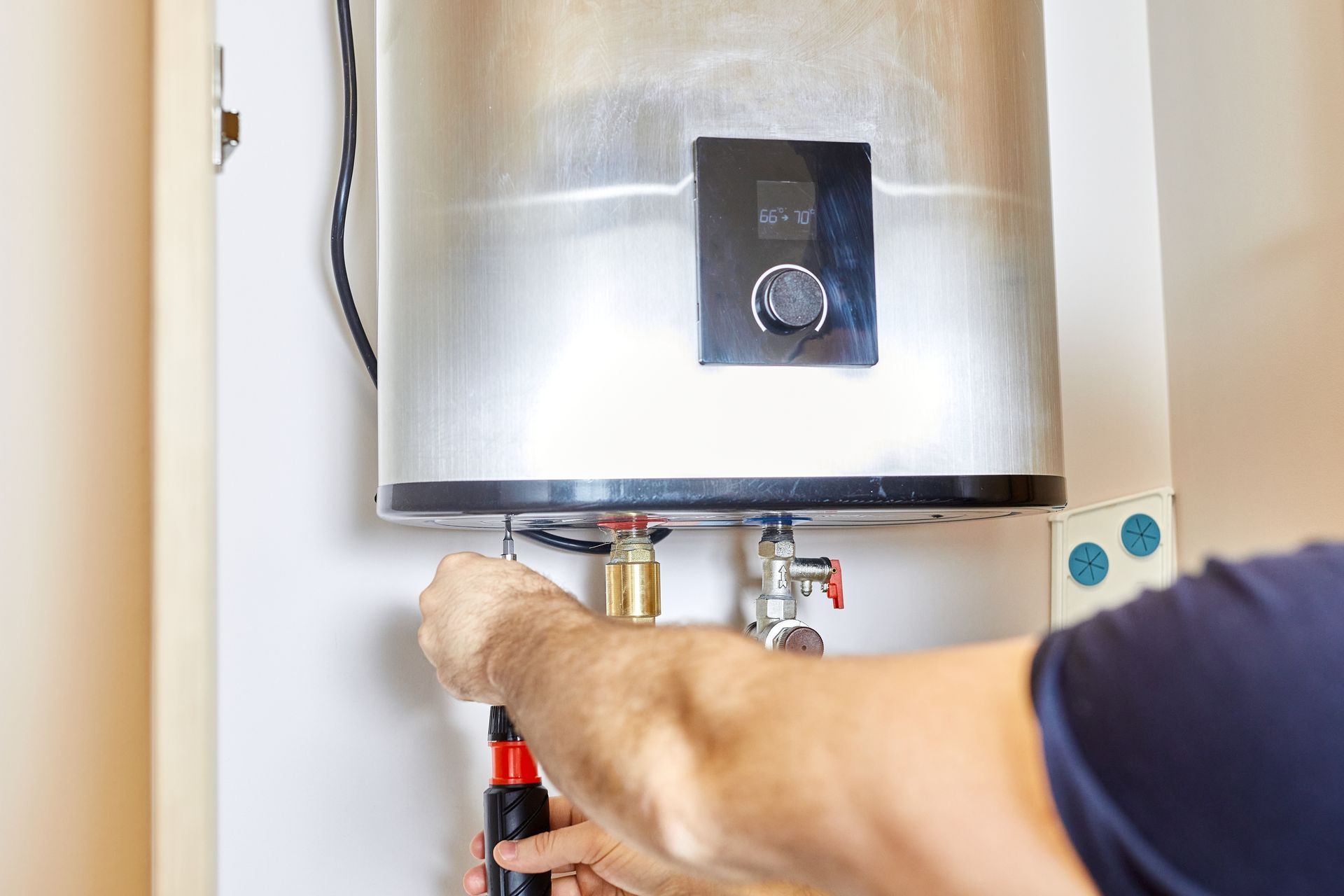
A water heater is one of the most relied-upon appliances in a home, yet it often shows signs of failure long before it completely stops working. Many homeowners assume a water heater only needs replacement when there is no hot water at all, but in reality, performance, safety, and efficiency issues usually appear well in advance. Recognizing these warning signs early can help prevent water damage, unexpected failures, and higher replacement costs.
Water heaters operate under constant pressure, heat, and exposure to minerals found in household water. Over time, internal components wear down, corrosion develops, and efficiency declines. While some issues can be repaired, others indicate that the unit is nearing the end of its useful life and replacement is the safer and more economical option.
Understanding the common signs of water heater failure allows homeowners to make informed decisions and plan replacement before a breakdown becomes an emergency.
Age and Declining Performance
One of the clearest indicators that a water heater may need replacement is its age. Most traditional tank-style water heaters have an expected lifespan of approximately 8 to 12 years, while tankless water heaters often last longer when properly maintained. As a unit ages, internal wear increases even if no obvious problems are visible. The age is sometimes written on the water heater as "manufacturer date" but other times it must be read through the serial number.
Declining performance is another common warning sign. This may include running out of hot water more quickly than before, inconsistent water temperatures, or water that never seems to get as hot as it once did. These issues often result from sediment buildup inside the tank, failing heating elements, or internal corrosion that reduces efficiency.
While some performance issues can be temporarily improved with maintenance, persistent decline in an older unit usually signals that replacement is approaching. Continuing to invest in repairs on an aging water heater often provides diminishing returns.
Rust, Discolored Water, and Visible Corrosion
Rust is a serious warning sign when it comes to water heaters. If hot water appears brown, reddish, or discolored, it may indicate corrosion inside the tank. This is often caused by a depleted anode rod, which is designed to protect the tank from rust. Once corrosion begins attacking the tank itself, failure is only a matter of time.
Visible corrosion on the exterior of the water heater, especially around fittings, seams, or the base of the tank, should never be ignored. Rust on the outside can indicate internal deterioration or slow leaks that may worsen suddenly. Moisture or corrosion near the bottom of the tank is particularly concerning, as it often signals structural weakening.
At this stage, replacement is typically the safest option. Internal tank corrosion cannot be repaired, and delaying replacement increases the risk of leaks or catastrophic tank failure.
Leaks, Noises, and Pressure-Related Issues
Any active leaking from a water heater is a serious concern. While minor leaks from fittings or valves may be repairable, water leaking from the tank itself usually means the unit has failed internally. Tank leaks can escalate quickly, causing water damage to floors, walls, and nearby structures.
Unusual noises such as popping, rumbling, or banging are also common signs of trouble. These sounds are often caused by hardened sediment inside the tank, which traps water and creates overheating pockets. Over time, this accelerates tank damage and reduces efficiency.
Pressure-related symptoms may include frequent discharge from the temperature and pressure relief valve or noticeable pressure fluctuations in hot water lines. These issues can indicate internal stress, excessive pressure, or failing safety components. When combined with age or corrosion, they often point toward the need for replacement rather than repair.
Rising Energy Costs and Safety Concerns
An aging or failing water heater often becomes less energy-efficient, leading to higher utility bills. As components wear out and sediment accumulates, the unit must work harder to heat water, consuming more energy in the process. Rising energy costs without changes in household usage can be a subtle but important indicator.
Safety is another critical factor. Older water heaters may lack modern safety features or may no longer meet current installation standards. Issues related to venting, combustion, pressure control, or electrical components can pose risks if left unaddressed. In some cases, replacement improves not only efficiency but also overall home safety.
Replacing a water heater before complete failure allows homeowners to choose the right system, plan installation, and avoid emergency situations. Paying attention to warning signs ensures a smoother transition and helps protect both the home and its occupants.