Finding the Source of a Ceiling Leak in a Temecula Two-Story Home
A water stain suddenly appearing on the ceiling can make it difficult to know where to start. The water may be showing downstairs, but the plumbing problem causing it could be several feet away or on the floor above.
We recently performed a
leak detection service at a home in Temecula, California, after the homeowner discovered a ceiling leak underneath an upstairs guest bathroom.
Because there were multiple plumbing fixtures above the damaged area, we did not want to assume where the water was coming from. We inspected the bathroom, looked for signs of active and previous leakage, and eventually traced the problem to the upstairs toilet.
One of the first clues was something many homeowners probably would not think much about:
the toilet bolts were rusty.
That clue, combined with what we found after pulling the toilet, helped us identify a failed toilet seal and a toilet flange that sat too low beneath the finished tile.
Finding the Source of a Ceiling Leak in a Temecula Home
When a ceiling leak appears underneath a second-story bathroom, the toilet is only one of several possible sources.
Water could potentially be coming from:
- A leaking toilet seal
- A toilet supply line
- A bathtub or shower drain
- A shower enclosure
- A sink drain
- Leaking angle stops
- A pressurized water line inside the wall or floor
- Another plumbing connection concealed inside the structure
This is why locating the source before beginning repairs is important.
Water does not always travel straight down. It can follow framing, piping, drywall, or other building materials before finally becoming visible.
In this Temecula home, the location of the ceiling damage pointed us toward the upstairs guest bathroom, but we still needed to determine which plumbing fixture was actually responsible.
If you're dealing with unexplained water somewhere in your home, we have also written about some of the
warning signs of hidden plumbing leaks and what homeowners can look for before the damage becomes more extensive.
Rusty Toilet Bolts Gave Us an Important Clue
During our inspection of the upstairs bathroom, one detail immediately caught our attention.
The bolts holding the toilet to the floor were rusty.
Rusty toilet bolts by themselves do not automatically prove that a toilet seal is leaking. Bathrooms are humid environments, and there are other ways moisture can reach toilet hardware.
However, the location of the corrosion made it something worth investigating.
The closet bolts pass through the toilet flange and sit outside the primary waste opening. The wax ring or toilet seal is intended to prevent water from escaping from the connection between the toilet and the drainage system.
If moisture is repeatedly reaching the bolts and causing significant corrosion, we want to know where that water is coming from.
In this case, the rusty bolts were one piece of the puzzle. When combined with the ceiling damage below the bathroom, they gave us another reason to investigate the toilet further.
Pulling the Toilet Revealed the Problem
The next step was removing the toilet so we could inspect the connection underneath it.
Once the toilet was pulled, we could get a much better look at the existing wax ring and toilet flange.
The old wax ring showed heavy dark discoloration around the seal area. More importantly, once everything was removed, we identified a problem with the height of the toilet flange.
The flange was recessed too far below the finished tile.
That is an important detail because a toilet seal needs enough compression between the bottom of the toilet and the flange to maintain a reliable seal.
If the flange sits too low, there may not be enough compression on a standard wax ring.
The toilet may still feel solid. It may flush normally. There may even be no visible water around the base.
Meanwhile, small amounts of water can escape underneath the toilet each time it is used.
In a second-story bathroom, that water can enter the floor assembly and eventually appear on the ceiling downstairs.
VIDEO: What We Found After Removing the Toilet
Why a Low Toilet Flange Can Cause a Leak
Ideally, the toilet flange and finished floor need to be positioned so the toilet seal can compress properly when the toilet is installed.
Problems commonly occur when flooring is changed.
For example, a bathroom may originally have had a thinner finished floor. If tile is later installed and the toilet flange is not raised accordingly, the new flooring can leave the flange recessed below the tile.
A standard wax ring only has so much material available to bridge that gap.
If there is not enough compression between the toilet horn and the flange, wastewater can escape during flushing.
This kind of leak can be particularly deceptive because it may not create an obvious puddle around the toilet.
Instead, water may travel underneath the flooring.
In an upstairs bathroom, gravity takes over from there.
Eventually, the first visible evidence may be a stain on the ceiling downstairs.
Repairing the Leaking Toilet in This Temecula Home
Can a Toilet Leak Without Water Around the Base?
Absolutely.
This Temecula service call is a good example.
Many homeowners assume that if a toilet is leaking underneath, they will see water coming out around the base.
That does not always happen.
Depending on the location of the failed seal and the construction underneath the toilet, the water may travel downward rather than outward.
Possible warning signs of a leaking toilet seal include:
- Ceiling stains underneath an upstairs bathroom
- Moisture appearing after the toilet is flushed
- Rusted or corroded toilet bolts
- A toilet that rocks or moves
- Discoloration around the toilet base
- Damaged flooring near the toilet
- Persistent odors around the toilet
- Soft or deteriorating flooring
If a toilet is located upstairs, even a relatively small leak deserves attention because the water has access to drywall, insulation, framing, electrical components, and the ceiling below.
Rodgers Air Conditioning & Plumbing provides
toilet repair and other plumbing repair services for problems ranging from fixture leaks to concealed plumbing leaks.
We Also Found Leaking Angle Stops Under the Bathroom Sink
Interestingly, the toilet was not the only plumbing issue we discovered during this Temecula service call.
While inspecting the guest bathroom, we also found leaking angle stops underneath the lavatory sink.
Angle stops are the small shutoff valves underneath sinks and behind certain plumbing fixtures. They allow the water to an individual fixture to be shut off without shutting down water to the entire house.
They are also easy to ignore.
An angle stop may sit in the same position for years without being touched. Eventually, leakage can develop around the valve stem, connection, or supply line.
Small leaks underneath bathroom cabinets can sometimes go unnoticed until the bottom of the cabinet becomes damaged.
We were able to correct those leaks while addressing the other plumbing problems in the bathroom.
This is one reason we try to look at the plumbing system surrounding the original complaint instead of developing tunnel vision around one fixture.
The homeowner originally called because of a ceiling leak.
The inspection ultimately uncovered both the leaking toilet connection and leaking sink shutoff valves.
For more examples of the types of plumbing problems we encounter locally, see our guide to
common plumbing repairs in Temecula homes.
Fixing the Plumbing Leak Before Repairing the Ceiling
Once water damage appears on drywall, homeowners understandably want the stain, bubbling paint, or damaged ceiling repaired as quickly as possible.
But repairing the drywall first would only hide the symptom.
The plumbing problem needs to be corrected and tested before the cosmetic repair is completed.
In this case, after repairing the leaking toilet connection and correcting the other bathroom leaks, we connected the homeowner with our drywall and paint professional.
That allowed the damaged downstairs ceiling to be repaired after the plumbing source had been corrected.
The end goal is not just stopping a drip.
It is getting the home back to the condition it was in before the leak occurred.
Does a Rusty Toilet Bolt Mean Your Wax Ring Is Bad?
Not necessarily.
This is an important distinction.
A rusty toilet bolt is a clue, not a diagnosis.
Rust requires moisture, but that moisture could potentially come from several sources.
What makes corrosion valuable during a leak investigation is the story it tells when combined with other evidence.
In this Temecula home, we had:
- Ceiling damage below the upstairs bathroom
- Rusted toilet hardware
- Evidence around the existing toilet seal
- A recessed toilet flange
- A leak location consistent with the toilet above
Taken together, those findings gave us a much clearer picture than any one clue would have provided on its own.
That is essentially what leak detection is about.
We gather evidence, eliminate possibilities, and work toward identifying the actual source before recommending the repair.
Ceiling Leak or Hidden Water Line Leak?
Not every ceiling leak underneath a bathroom will be caused by a toilet.
A pressurized water line can leak regardless of whether anyone is using the bathroom.
A toilet wax ring leak, on the other hand, may primarily leak when the toilet is flushed.
That difference can be an important diagnostic clue.
If you notice a ceiling stain growing even when the upstairs fixtures have not been used, or your water meter continues moving when everything in the home is turned off, the problem may involve a pressurized water line rather than a fixture seal.
Homes can also develop leaks underneath the concrete foundation.
Symptoms such as unexplained water usage, warm areas of flooring, water meter movement, or the sound of water running when fixtures are off may justify investigating for a
possible slab leak.
What Should You Do if You Find a Ceiling Leak Under an Upstairs Bathroom?
If you discover water on the ceiling underneath a bathroom, try to pay attention to when the water appears.
Does it become worse when:
- The toilet is flushed?
- Someone takes a shower?
- The bathtub drains?
- A sink is used?
- No plumbing fixtures are being used at all?
Those details can help narrow down the source.
If water is actively entering the ceiling or you are concerned about significant damage, stop using the plumbing fixtures above the affected area until the leak can be evaluated.
Do not assume the fixture directly above the stain is automatically responsible.
Water can travel before it becomes visible.
A proper leak investigation is about finding the source rather than simply opening the ceiling directly below the stain and hoping the problem is there.
Plumbing Leak Detection and Repair in Temecula, CA
This Temecula homeowner initially had one obvious symptom: a ceiling leak downstairs.
Our investigation led us to the upstairs guest bathroom, where the rusty toilet bolts gave us an additional clue.
After pulling the toilet, we found the failed seal and discovered that the toilet flange was recessed below the tile.
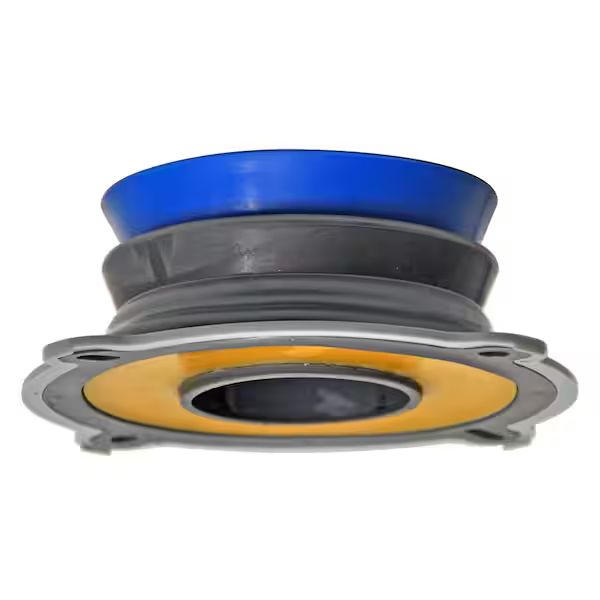
We corrected the toilet connection using a Danco Perfect Seal designed to accommodate the existing flange height, repaired the leaking angle stops underneath the bathroom sink, tested the plumbing, and then connected the homeowner with our drywall and paint professional for the ceiling restoration.
One ceiling stain ultimately told us quite a story.
If you have a ceiling leak, leaking toilet, leaking plumbing fixture, or another unexplained water problem in
Temecula, California, Rodgers Air Conditioning & Plumbing can help determine where the water is coming from and recommend the appropriate repair.
You can learn more about our residential plumbing services or
contact us to schedule a plumbing inspection or leak detection service.