Refrigerant Leak in Home AC: Signs, Risks, and What to Do Next
Refrigerant Leak in Home AC: Signs, Risks, and What to Do Next
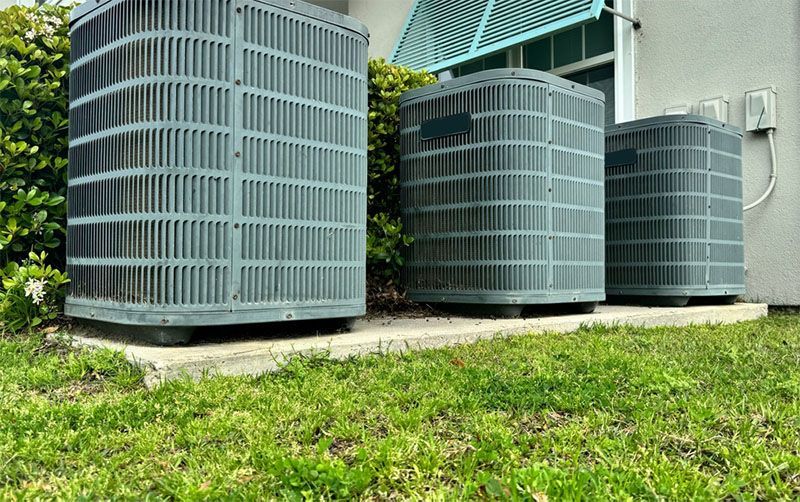
When your air conditioner stops keeping up with the heat, it’s easy to assume it just needs a tune-up. But if your system is blowing warm air, running nonstop, or icing over, you may be dealing with a refrigerant leak in your home AC—a problem that won’t fix itself and can quietly damage your system over time.
This guide breaks down what refrigerant leaks are, how to spot them, and what steps to take so you can protect your home, your health, and your HVAC investment.
What Is a Refrigerant Leak—and Why It Matters
Refrigerant is the lifeblood of your air conditioning system. It circulates through coils, absorbing heat from inside your home and releasing it outdoors. Unlike fuel, refrigerant isn’t “used up”—it should remain at a consistent level for the life of the system.
So if your system is low, it means one thing: there’s a leak somewhere in the sealed system.
Why this is a serious issue:
Reduced efficiency: Low refrigerant forces your AC to work harder, increasing energy consumption.
Poor cooling performance: The system can’t properly absorb heat, leading to warm air or uneven cooling.
Compressor damage: Running with low refrigerant can overheat and destroy the compressor—often the most expensive component.
Environmental impact: Refrigerants can contribute to environmental harm if released into the atmosphere.
A small leak can turn into a major repair if ignored.
Signs of an AC Refrigerant Leak
Homeowners often search for “AC not cooling” or “low refrigerant symptoms” without realizing the root cause may be a leak. Here are the most common warning signs:
1. Warm Air from Vents
If your AC is running but the air isn’t cold, your system may not have enough refrigerant to remove heat effectively.
2. Ice on the Outdoor or Indoor Coil
Low refrigerant drops pressure inside the system, which can cause the evaporator coil to freeze. You might see ice on refrigerant lines or even inside your air handler.
3. Hissing or Bubbling Sounds
Hissing can indicate gas escaping from a small hole or crack.
Bubbling may suggest a larger leak where air is entering the system.
4. Higher Energy Bills
An undercharged system runs longer cycles to reach the thermostat setting, quietly driving up your electricity costs.
5. AC Runs Constantly Without Cooling
If your system never seems to shut off but still doesn’t cool the home, it’s a strong sign something is wrong internally.
6. Weak Airflow or Uneven Cooling
Rooms may feel inconsistent, with some staying warm no matter how long the AC runs.
Health and Safety Risks of Refrigerant Exposure
While modern refrigerants are generally not poisonous, they’re not harmless.
Potential risks include:
Dizziness or headaches from inhalation in confined spaces
Respiratory irritation, especially for sensitive individuals
Oxygen displacement in extreme cases (rare but serious)
Direct exposure is uncommon in typical residential leaks, but any suspected leak should be addressed promptly—especially if you hear active hissing or smell unusual odors.
Why This Isn’t a DIY Fix
It might be tempting to “top off” refrigerant like you would with a car, but residential AC systems don’t work that way.
Handling refrigerant requires:
EPA certification
Specialized gauges and recovery equipment
Leak detection tools (electronic detectors, UV dye, nitrogen pressure testing)
More importantly, adding refrigerant without fixing the leak only masks the problem temporarily—and can lead to even bigger repairs.